 By
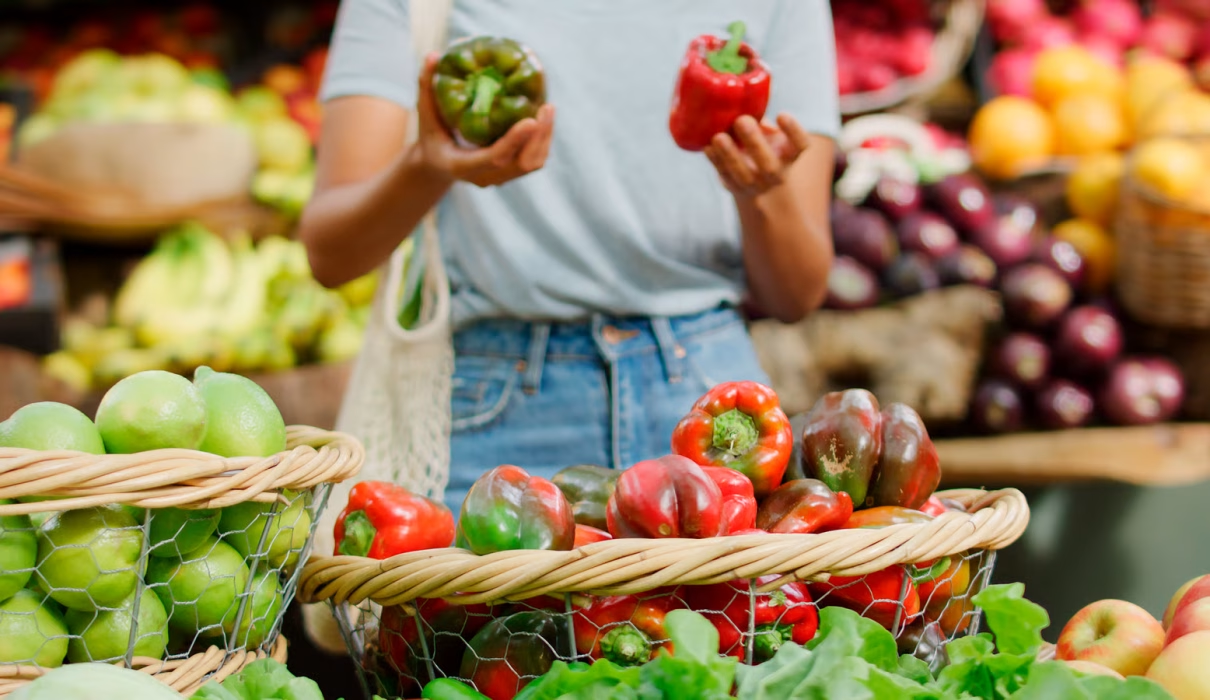
By Organic food is no longer a niche lifestyle choice. Across Ghana and beyond, more people are becoming intentional about what they eat, where it comes from, and how it affects their health. From fresh vegetables to poultry and grains, organic food is gaining attention — not because it is trendy, but because it addresses growing concerns about food safety, nutrition, and sustainability.
Here are seven clear and practical reasons why organic food is better, explained in a way that helps you make informed choices, not emotional ones.
1. Cleaner Food, Fewer Chemicals
One of the biggest benefits of organic food is reduced exposure to synthetic pesticides, herbicides, and chemical fertilizers. Organic farming focuses on natural soil enrichment, crop rotation, and biological pest control, which means fewer chemical residues on your food.
This does not mean organic food is entirely chemical-free, but it significantly lowers long-term exposure, especially important for children, pregnant women, and people managing health conditions.
2. Higher Nutritional Quality
Several studies show that organic foods often contain higher levels of antioxidants, vitamins, and essential minerals. This is largely due to healthier soil systems and slower growth cycles, which allow crops to develop richer nutrient profiles.
Local farms such as Mordecai Farms demonstrate how soil care, composting, and natural growing methods directly influence food quality, producing vegetables that are both nutrient-dense and flavorful.
3. Better Taste and Freshness
Organic food tends to taste better because it is often grown in smaller batches, harvested closer to maturity, and sold fresher. Unlike mass-produced produce, organic crops are not forced to grow rapidly using artificial boosters.
That freshness translates into richer flavor, better texture, and longer shelf life when properly stored, especially for vegetables and fruits.
4. Healthier Soil, Healthier Planet
Organic farming practices improve soil structure, encourage biodiversity, and protect water systems. Instead of stripping land through heavy chemical use, organic methods rebuild soil naturally over time.
The challenge is that organic farming requires patience, training, and careful land management, which can limit production scale. However, its environmental benefits far outweigh the slower output.
5. Reduced Antibiotic and Hormone Exposure
In organic poultry and livestock farming, animals are raised without routine antibiotics, growth hormones, or synthetic feed additives. This reduces the risk of antibiotic resistance and chemical buildup in the human body. While organic meat and eggs often cost more, the long-term health benefits justify the investment for households prioritizing wellness.
6. Supports Local Farmers and Food Systems
Buying organic food often supports small-scale farmers who use ethical and sustainable farming practices. This strengthens local economies, encourages responsible agriculture, and promotes food security.
Creative partnerships between farms, markets, and delivery services are also helping make organic food more accessible, especially in urban areas like Accra and Kumasi.
7. Encourages Conscious Eating Habits
Switching to organic food naturally makes people more mindful of what they consume. Instead of eating impulsively, people begin to plan meals, read labels, and ask questions about sourcing.
This shift often leads to healthier overall lifestyles, including improved cooking habits, better portion control, and increased vegetable intake.
Organic food is better not because it is perfect, but because it aligns more closely with human health and environmental responsibility. It comes with challenges such as cost, availability, and scalability, but its long-term benefits make it a worthwhile choice for those seeking sustainable wellness.