 By
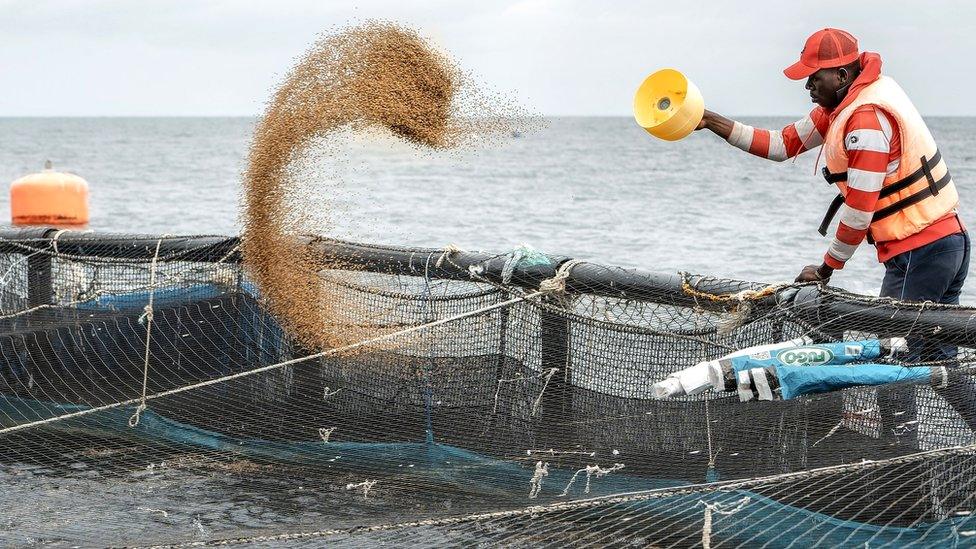
By Feeding catfish might seem straightforward, but there’s more to it than just tossing pellets into a pond. Proper feeding schedules directly impact fish growth, health, and survival rates, which ultimately affects profitability for small-scale and commercial fish farmers alike. Skipping the right timing, overfeeding, or underfeeding can reduce growth rates, increase water pollution, and even harm the pond ecosystem.
Catfish are resilient, but their dietary needs change as they grow. Young fingerlings have faster metabolisms and require more frequent feedings than adult fish. Similarly, environmental conditions such as water temperature, pond size, and stocking density influence feeding frequency. Experienced farmers often combine observation with structured feeding schedules to maximize growth while reducing waste.
1. Observe and Adjust to Appetite
The first step in feeding catfish is watching their behavior. Young catfish tend to be more active and eat multiple times a day, while adult fish can go longer between meals. Overfeeding can pollute the water, stress the fish, and even stunt growth, making observation critical. For instance, a quick swim to the surface when feed is offered indicates they are ready to eat, whereas ignoring the feed may mean you’re overestimating their appetite.
Feeding based purely on a set schedule without checking how much your catfish actually consume can waste resources and reduce efficiency. Experienced farmers often use a trial-and-error approach in the first weeks, noting how quickly the catfish finish their feed and adjusting amounts accordingly.
2. Younger Fish Need More Frequent Meals
Fingerlings and juvenile catfish grow rapidly and require protein-dense feed. Typically, feeding them three to four times per day supports optimal growth. Skipping meals or feeding inconsistently can slow development and even affect the immune system, leaving them more vulnerable to common pond diseases. At this stage, using high-quality pellets ensures the fish get enough nutrition without overfeeding. Some farmers sometimes split daily portions into smaller batches, feeding in intervals to avoid overcrowding at the feeding spots.
3. Adults Can Thrive on Fewer Feedings
Once catfish reach adult size, their metabolism slows, and feeding twice daily is often sufficient. Adult catfish are less active and can digest food more efficiently. Feeding too frequently at this stage can create excess waste in the pond, affecting water quality and potentially harming fish health. Monitoring water clarity and smell helps farmers decide whether adjustments are necessary.
In commercial setups, a balance between feed cost and fish growth rate is essential. Reducing feed slightly during cooler months is a common practice, as catfish metabolism naturally slows down.
4. Consider Environmental Factors
Water temperature, oxygen levels, and stocking density all influence how often catfish should eat. In warmer, well-oxygenated ponds, catfish are more active and can handle more frequent feedings. Conversely, in ponds with limited aeration or cooler temperatures, fish will naturally eat less. Ignoring these factors can lead to feed wastage and poor water conditions.
Some farmers integrate natural feeds like earthworms or small aquatic insects to supplement pellets. This not only reduces feed costs but also encourages natural foraging behavior, which can improve fish health.
5. Watch for Overfeeding Signs
Even experienced farmers can overfeed catfish, and the consequences are immediate. Uneaten pellets can sink, decompose, and trigger ammonia spikes, stressing or even killing fish. Monitoring feeding habits daily is crucial. Adjust portions gradually rather than making drastic changes, and remove leftover feed after 30 minutes to keep water quality intact.
Remember, the best growth comes from feeding fish the right amount, not simply feeding more. Healthy ponds produce healthier fish, which ultimately increases profitability and sustainability.
Feeding catfish is both science and observation. By understanding appetite, life stage, environment, and water quality, you can establish a routine that maximizes growth while maintaining pond health. Proper feeding practices will make your catfish farm more productive and efficient over time, ensuring your fish stay healthy and profitable.