 By
By Organic farming is no longer just a niche practice for small-scale growers. Across Africa and beyond, more farmers, agribusinesses, and food producers are turning to organic farming as a sustainable way to improve soil health, food quality, and long-term profitability. While the transition comes with its challenges, the benefits of organic farming are reshaping how modern agriculture works.
Here are the key advantages driving this shift, explained in practical and realistic terms.
1. Healthier Food for Consumers
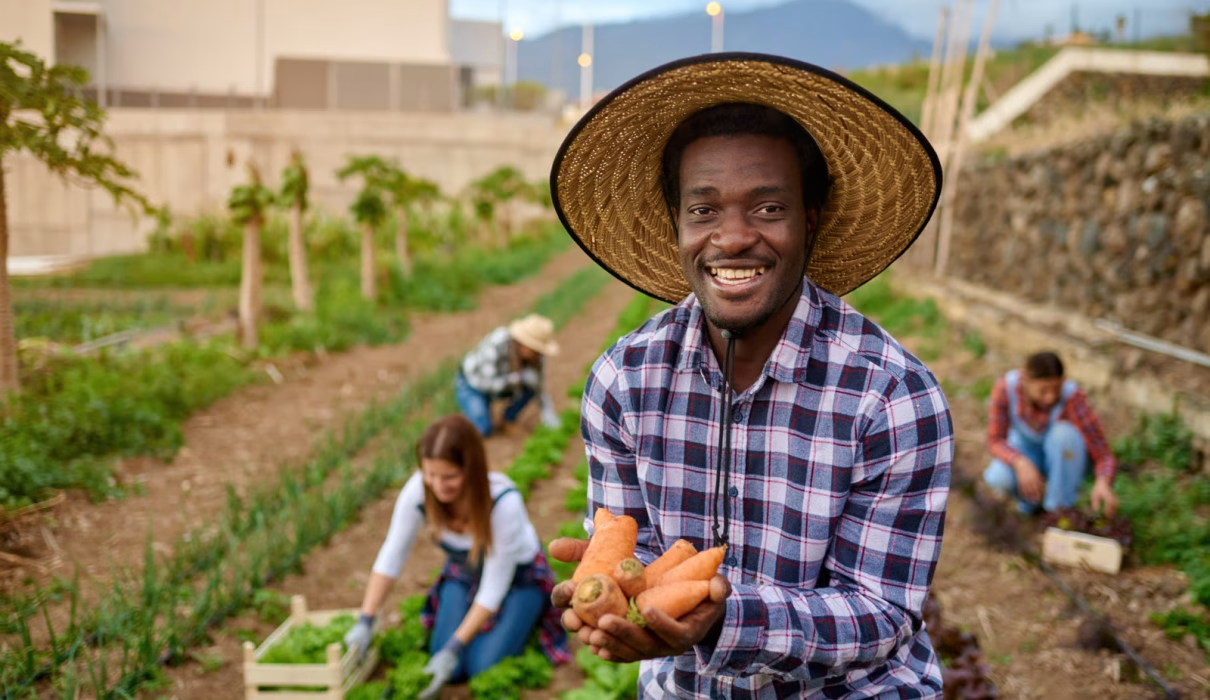
One of the most recognized benefits of organic farming is the production of healthier, chemical-free food. Organic crops are grown without synthetic fertilizers, pesticides, or herbicides, reducing the risk of chemical residues entering the human body. This leads to cleaner produce, improved nutrient retention, and better overall food quality.
For health-conscious consumers, organic food is increasingly becoming a priority. Brands like Mordecai Farms, which focus on organic cultivation practices, are helping build trust by offering produce grown in controlled, chemical-free environments. As consumer awareness increases, farmers who adopt organic methods often find themselves serving a growing market that values food safety and nutritional integrity.
2. Improved Soil Health and Long-Term Productivity
Organic farming prioritizes soil regeneration through composting, crop rotation, and natural fertilizers. These practices improve soil structure, enhance microbial activity, and increase water retention, which leads to stronger plant growth and long-term farm sustainability.
Although organic soil management requires more patience and observation, the long-term payoff is significant. Healthy soil reduces dependency on costly chemical inputs and supports stable crop yields over time.
Many successful organic farms invest early in soil-building techniques, such as compost systems or natural mulching methods, which gradually transform land productivity and reduce operational risk.
3. Environmental Sustainability and Ecosystem Protection
One of the strongest benefits of organic farming is its reduced environmental footprint. By avoiding chemical runoff, organic farms help protect water sources, wildlife habitats, and surrounding ecosystems. This is particularly critical in regions where water pollution and land degradation threaten agricultural viability.
Organic farms often integrate natural pest control methods, intercropping, and biodiversity-friendly systems. Some innovative farms even combine organic production with agroforestry techniques, creating layered farming systems that support both crop production and environmental regeneration. While these approaches demand strategic planning, they significantly reduce long-term ecological damage.
4. Growing Market Demand and Brand Value
Demand for organic products is steadily rising, driven by increasing health awareness and sustainability concerns. Consumers are more willing to pay premium prices for produce they trust, creating stronger income opportunities for organic farmers.
Beyond direct sales, organic farming also opens doors for brand partnerships, export opportunities, and value-added products such as organic teas, spice blends, and packaged vegetables. Farms that invest in strong branding, storytelling, and digital presence often convert their farming operations into recognizable food brands, positioning themselves for scalable growth rather than relying solely on bulk commodity sales.
5. Reduced Chemical Dependency and Safer Work Environments
Organic farming reduces farmers’ exposure to harmful chemicals, making daily agricultural work safer. Continuous contact with pesticides and synthetic fertilizers has been linked to various health risks, and minimizing this exposure improves overall well-being.
However, organic farming does require more manual labor, observation, and technical knowledge. Pest control, disease prevention, and soil management often rely on proactive monitoring rather than chemical intervention.
Farmers who succeed typically adopt creative solutions such as natural compost teas, biological pest control systems, and climate-smart planting schedules.
6. Resilience Against Market and Climate Shocks
Organic farming systems often demonstrate stronger resilience to climate stress and market fluctuations. Healthy soil retains moisture better during droughts and drains more effectively during heavy rains, offering natural protection against weather extremes.
Additionally, diversified organic farms that combine crops, livestock, and processing activities reduce dependency on a single income stream. Some farms complement crop sales with agritourism, farm workshops, or organic training programs, creating additional revenue channels that stabilize income throughout the year.
As farms like Mordecai Farms continue to demonstrate, organic farming is not just an ethical choice — it is a strategic investment in healthier communities, stronger ecosystems, and future-proof agricultural businesses.
Organic farming is no longer just a niche practice for small-scale growers. Across Africa and beyond, more farmers, agribusinesses, and food producers are turning to organic farming as a sustainable way to improve soil health, food quality, and long-term profitability. While the transition comes with its challenges, the benefits of organic farming are reshaping how modern agriculture works.
Here are the key advantages driving this shift, explained in practical and realistic terms.
1. Healthier Food for Consumers
One of the most recognized benefits of organic farming is the production of healthier, chemical-free food. Organic crops are grown without synthetic fertilizers, pesticides, or herbicides, reducing the risk of chemical residues entering the human body. This leads to cleaner produce, improved nutrient retention, and better overall food quality.
For health-conscious consumers, organic food is increasingly becoming a priority. Brands like Mordecai Farms, which focus on organic cultivation practices, are helping build trust by offering produce grown in controlled, chemical-free environments. As consumer awareness increases, farmers who adopt organic methods often find themselves serving a growing market that values food safety and nutritional integrity.
2. Improved Soil Health and Long-Term Productivity
Organic farming prioritizes soil regeneration through composting, crop rotation, and natural fertilizers. These practices improve soil structure, enhance microbial activity, and increase water retention, which leads to stronger plant growth and long-term farm sustainability.
Although organic soil management requires more patience and observation, the long-term payoff is significant. Healthy soil reduces dependency on costly chemical inputs and supports stable crop yields over time.
Many successful organic farms invest early in soil-building techniques, such as compost systems or natural mulching methods, which gradually transform land productivity and reduce operational risk.
3. Environmental Sustainability and Ecosystem Protection
One of the strongest benefits of organic farming is its reduced environmental footprint. By avoiding chemical runoff, organic farms help protect water sources, wildlife habitats, and surrounding ecosystems. This is particularly critical in regions where water pollution and land degradation threaten agricultural viability.
Organic farms often integrate natural pest control methods, intercropping, and biodiversity-friendly systems. Some innovative farms even combine organic production with agroforestry techniques, creating layered farming systems that support both crop production and environmental regeneration. While these approaches demand strategic planning, they significantly reduce long-term ecological damage.
4. Growing Market Demand and Brand Value
Demand for organic products is steadily rising, driven by increasing health awareness and sustainability concerns. Consumers are more willing to pay premium prices for produce they trust, creating stronger income opportunities for organic farmers.
Beyond direct sales, organic farming also opens doors for brand partnerships, export opportunities, and value-added products such as organic teas, spice blends, and packaged vegetables. Farms that invest in strong branding, storytelling, and digital presence often convert their farming operations into recognizable food brands, positioning themselves for scalable growth rather than relying solely on bulk commodity sales.
5. Reduced Chemical Dependency and Safer Work Environments
Organic farming reduces farmers’ exposure to harmful chemicals, making daily agricultural work safer. Continuous contact with pesticides and synthetic fertilizers has been linked to various health risks, and minimizing this exposure improves overall well-being.
However, organic farming does require more manual labor, observation, and technical knowledge. Pest control, disease prevention, and soil management often rely on proactive monitoring rather than chemical intervention.
Farmers who succeed typically adopt creative solutions such as natural compost teas, biological pest control systems, and climate-smart planting schedules.
6. Resilience Against Market and Climate Shocks
Organic farming systems often demonstrate stronger resilience to climate stress and market fluctuations. Healthy soil retains moisture better during droughts and drains more effectively during heavy rains, offering natural protection against weather extremes.
Additionally, diversified organic farms that combine crops, livestock, and processing activities reduce dependency on a single income stream. Some farms complement crop sales with agritourism, farm workshops, or organic training programs, creating additional revenue channels that stabilize income throughout the year.
As farms like Mordecai Farms continue to demonstrate, organic farming is not just an ethical choice — it is a strategic investment in healthier communities, stronger ecosystems, and future-proof agricultural businesses.