 By
By Sustainable farming Ghana is becoming a necessity for farmers, agripreneurs, and the broader agriculture sector. By focusing on environmentally friendly, socially responsible, and economically viable practices, farms can remain productive while protecting natural resources for the future. Here’s a practical guide with real-world examples and creative ideas for anyone serious about farming sustainably.
1. Prioritize Soil Health
The foundation of this starts with healthy soil. Using compost, crop rotation, and natural fertilizers improves nutrient content and water retention. Many farms overlook the importance of soil testing, but understanding the land’s needs is critical for long-term productivity.
At Mordecai Farms, for example, soil health practices have allowed them to reduce chemical inputs while maintaining high yields. Even small farms can adopt techniques like mulching or green manures to maintain soil fertility without overspending on synthetic fertilizers.
2. Optimize Water Use
Water is a critical resource, and sustainable farming Ghana emphasizes efficient irrigation. Drip systems and rainwater harvesting can reduce waste and improve crop resilience, especially during dry spells. While water infrastructure can be costly, the long-term savings in reduced water loss make it worthwhile.
Farmers experimenting with small-scale aquaponics have found innovative ways to reuse water across crops and fish ponds. Creative setups like these illustrate how water management is not just about conservation but also about maximizing productivity.
3. Integrate Crop Diversity
Monoculture can increase short-term output but risks long-term soil degradation and pest problems. Sustainable farming Ghana encourages mixed cropping, intercropping, and seasonal rotations. This helps maintain soil nutrients and reduces dependence on chemical pesticides.
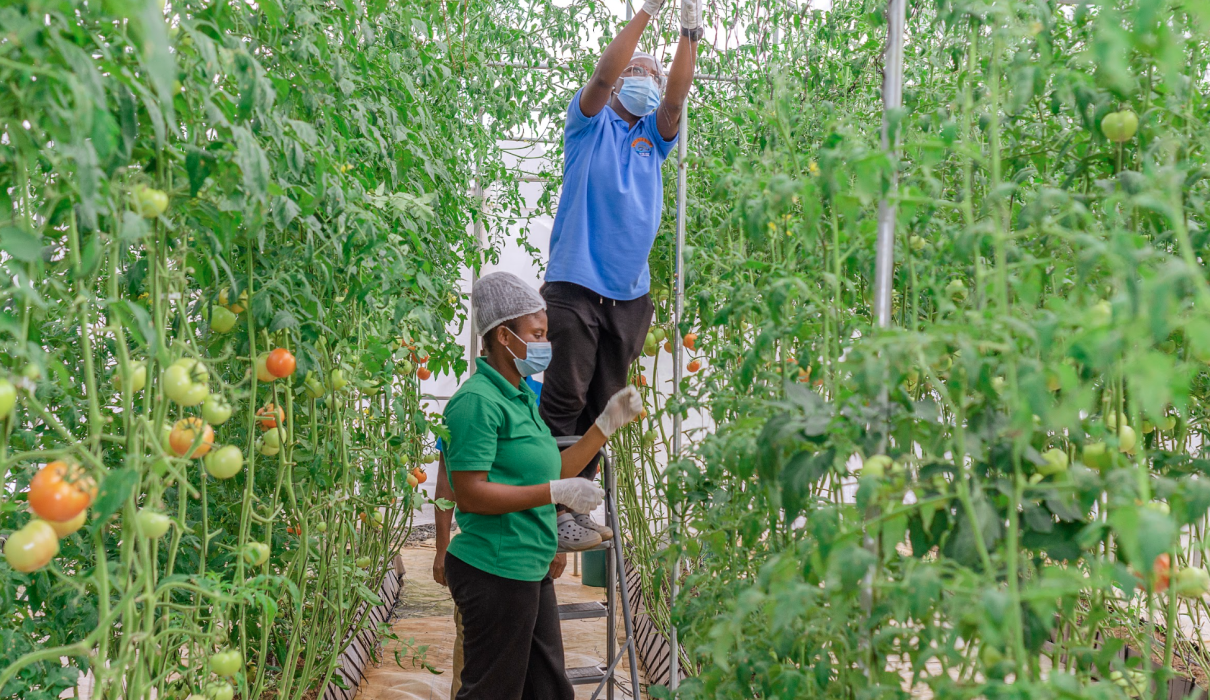
Some farms in Ghana are now experimenting with combining staple crops with high-value vegetables or herbs. This approach can increase revenue streams while improving land use efficiency. Mordecai Farms, for instance, combines vegetables and legumes to balance nutrition and income.
4. Embrace Organic and Local Inputs
Sustainable farming Ghana thrives on reducing external chemical dependence. Organic fertilizers, bio-pesticides, and locally sourced seeds enhance environmental sustainability. These inputs may cost more initially but can attract premium prices for produce sold to conscious consumers.
An example is integrating farm waste into composting or vermiculture. Not only does this reduce costs, but it also creates opportunities for small-scale value-added products like organic manure for neighboring farms.
5. Invest in Renewable Energy
Energy costs are often overlooked, but solar-powered irrigation and cold storage systems support sustainable farming Ghana by reducing reliance on fossil fuels. These investments can improve efficiency and protect crops, especially in regions with inconsistent electricity.
While the upfront cost may be a barrier for smaller farms, cooperative arrangements or community-shared solar units can make it accessible. This approach strengthens resilience and reduces operational risks over time.
6. Build Market Connections
Sustainable farming Ghana doesn’t end with production; it’s equally about connecting to markets. Consumers are increasingly looking for ethically produced, environmentally conscious food. Farms that market their sustainable practices effectively can command higher prices and foster brand loyalty.
Creative strategies include farm-to-table collaborations, CSA (Community Supported Agriculture) subscriptions, or storytelling through social media. Highlighting practices from farms like Mordecai Farms can make sustainable agriculture relatable and profitable.
7. Monitor and Adjust Practices
No farm is perfect, and sustainable farming Ghana is a learning process. Regular monitoring of crop health, soil quality, and yields allows farmers to adjust practices as needed. Flexibility and experimentation are essential for long-term success.
Challenges like climate variability, pest outbreaks, or market fluctuations are real, but documenting successes and failures ensures continuous improvement. Simple record-keeping and reflective practices are surprisingly effective tools for any farm committed to sustainability.
Sustainable farming Ghana offers a path to healthier land, higher-value crops, and more resilient agricultural businesses. By implementing thoughtful practices, creatively adapting to challenges, and learning from examples like Mordecai Farms, farmers in Ghana can make their operations both profitable and responsible.